Have you heard of DSU and MSL iPhone unlocking methods yet? The rules offered by CTIA [Cellular Telecommunications Industry Association] in 2013 asked wireless carriers to unlock all iPhones based on requests from customers. You should know all about unlocked iPhones because the situation is changing slightly in 2015, and all American networks should offer two services, MSL and DSU unlock for iDevice owners.
What are the two new methods offering consumers? Here is everything about iPhone unlocking rules that become real this year.
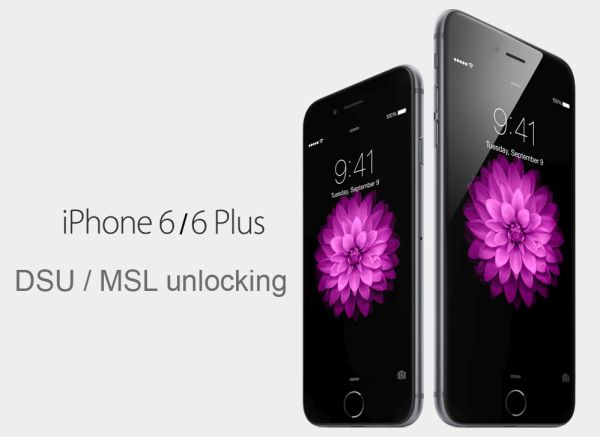
Beginning on February 11, 2015 all out of contract iPhone users will be able to order free MSL unlock from their carrier. MSL stands for Master Subsidy Unlock. This new type of service should be available for free to all current AT&T, Sprint, T-Mobile, Verizon subscribers who are out of contract or paid off their iPhone by the time they request the free unlocking service.
All iPhone models should be able to be unlocked this way. After you request MSL iPhone unlock your carrier will provide you with a code. You will have to enter this unlock code to remove all the restrictions from your smartphone and start using it with any SIM card inside and outside the U.S.
Beginning on February 19, 2015 some iOS users will be able to order DSU type of unlock which stands for Domestic Sim-Unlock service. It will work only on DSU-capable gadgets which includes the iPhone 6 Plus, 6 and 5S. Earlier models of ‘fruit’ device aren’t supported.
DSU is automatic unlock that is provided via OTA update. Your mobile company will distantly remove the restrictions and you will become unlocked after you use over-the-air update option.
All these types of official U.S. unlocks for iPhones will be available to out of contract subscribers only or users who pay off the full price of their smartphone. Former and new AT&T, Sprint, T-Mobile and Verizon subscribers will have to pay for the unlock service for iPhone 6, 6 Plus, 5S, 5, 5c, 4S, 4.
Contract iPhone unlock is available through factory IMEI unlocking service only as it is not supported by American carriers.